

_%20_%20Carbon%20101.avif)
- SBTi Version 2.0 Update introduces a cyclical validation model, replacing one-off targets with continuous 5-year renewal cycles to ensure accountability.
- New Categorization splits companies into Category A (stricter) and Category B (flexible) based on size and income level to improve equity.
- Scope-specifics now require 100% low-carbon electricity by 2040 for Scope 2 and focus Scope 3 targets on "relevant sources" that represent 5% or more of emissions.
- Global impact is significant, with over 4,000 companies participating, directly supporting national climate goals and driving sector-specific changes in finance and fashion.
- Arbor supports compliance by providing automated, audit-grade carbon accounting and Hotspot Analysis to help companies meet these rigorous new data standards.
Science-Based Targets Initiative: SBTi Corporate Net-Zero Standard Version 2.0 - December 2025 Update
Leading the charge to verifiable targets, the Science Based Targets initiative (SBTi) provides companies with a critical framework for reducing greenhouse gas (GHG) emissions in line with the Paris Agreement's goals.
The initiative has recently undergone a massive evolution. In March 2025, and solidified by subsequent consultation drafts, the SBTi introduced the Corporate Net-Zero Standard Version 2.0.
The SBTi has extended the second public consultation period for the revised draft of its Corporate Net-Zero Standard until December 12, 2025.
Version 2 changes how companies approach their climate goals. It moves away from a "set it and forget it" model to a rigorous cycle of accountability and delivery.
For companies navigating this new terrain, understanding SBTi Version 2.0 is not just about compliance. It is about future-proofing your business strategy.
Origins and Purpose of the SBTi
Launched in 2015, the SBTi emerged as a necessary response to the urgent need for corporate climate responsibility. It is a collaboration between the Carbon Disclosure Project (CDP), the United Nations Global Compact (UNGC), the World Resources Institute (WRI), and the World Wide Fund for Nature (WWF).
The primary objective is simple yet ambitious. The initiative mobilizes corporate action by helping businesses set science-based emissions reduction targets. These targets align with what climate science deems necessary to limit global warming to 1.5°C.
Aligning with the SBTi offers clear advantages. It drives innovation, boosts investor confidence, and prepares companies for emerging regulations. Perhaps most importantly, it signals to consumers and stakeholders that a company is serious about its environmental impact.
The Shift to SBTi Version 2.0: A Cyclical Model
The most significant change in SBTi Version 2.0 is the structural shift in how validation works. Previously, companies would set a target and receive validation, often with long gaps before the next major review.
Version 2.0 introduces a Cyclical Validation Model. This system replaces the one-off approach with a "continuous improvement" cycle aimed at transparency and accountability.
Think of the old standard as a final exam: you studied, took the test, and received a grade.
SBTi Version 2.0 acts more like a coaching program. You set a goal, but you must also check in annually, pass tests regularly, and follow a specific plan. If you fall behind, you must explain why and adjust your plan accordingly.
The new cycle includes:
- Entry Check: A preparatory step that confirms a company's readiness and intent to set targets.
- Initial Validation: The first full target assessment, due within 12 months for larger companies, including third-party assurance.
- Renewal Validation: A recurring review every five years to assess progress and set new targets.
- Assessment of Progress: Companies must now evaluate and disclose performance against targets at the end of every cycle.
Key Updates in the Corporate Net-Zero Standard
The updates in SBTi Version 2.0 are comprehensive. They touch on every aspect of carbon accounting, from how companies are categorized to how they measure specific scopes.
Company Categorization
To improve equity and accessibility, the standard now distinguishes requirements based on company size and economic context.
- Category A: Large companies and medium-sized companies in high-income countries, facing stricter requirements.
- Category B: Medium-sized companies in other regions and small companies globally, which are granted proportionate flexibility.
Scope 1, 2, and 3 Specific Updates
The new standard tightens the rules to ensure real-world decarbonization.
Scope 1 (Direct Emissions)
Targets must cover 100% of Scope 1 emissions. A new method called the Asset Decarbonization Plan allows companies to set targets based on a roadmap to decarbonize specific assets, such as retrofitting factories, within a specific carbon budget.
Scope 2 (Purchased Energy)
For Scope 2 emissions, the rules for renewable energy procurement are stricter. Companies must target 100% low-carbon electricity by 2040. Large consumers must also phase in hourly matching of electricity generation and consumption starting in 2030.
Scope 3 (Value Chain)
Version 2.0 moves away from blanket coverage requirements. Targets must now cover "relevant scope 3 emissions sources."
This is defined as any category representing 5% or more of total Scope 3 emissions, or specific emissions-intensive activities. This "focused and flexible" approach allows companies to prioritize high-impact areas.
Ongoing Emissions Responsibility
The standard introduces a formal mechanism to recognize companies that take responsibility for emissions released during their transition to net-zero.
This replaces general recommendations with voluntary recognition tiers:
- Recognized: Taking responsibility for at least 1% of ongoing emissions.
- Leadership: Applying a carbon price to 100% of ongoing emissions and delivering mitigation outcomes equivalent to at least 40%.
Version 1.3 vs. Version 2.0
Global Impact and Industry Adoption
The shift to science-based targets is happening at scale. By the end of 2023, more than 4,000 companies and financial institutions worldwide had set and validated their emissions reduction targets.
National Climate Goals
This corporate momentum supports national interests.
In countries like India, widespread adoption of science-based targets by the private sector accelerates progress toward Nationally Determined Contributions (NDCs).
When major brands reduce emissions, it catalyzes change throughout their supply chains, amplifying the effect on national totals.
Sector-Specific Impacts
Private Equity
Private equity firms managing over $230 billion in assets are integrating these targets to mitigate risk. Firms are now mapping emissions across portfolios and requiring holdings to establish their own targets.
Regional Updates: Vietnam
In markets like Vietnam, regulatory frameworks are updating to align with global standards. As of July 2024, new protocols require broader inventory boundaries and third-party verification, helping local companies stay competitive in a global market that demands transparency.
Fashion Industry Collaboration
For industries like fashion, where most emissions occur in the supply chain, collaboration is key. Brands are pooling purchasing power for renewable energy and harmonizing supplier standards to address their largest sources of pollution.
How Arbor Supports Your SBTi Goals
Aligning with SBTi Version 2.0 requires precise data. Estimates and averages are no longer enough when you need to report on specific assets or 100% of your Scope 1 emissions.
Arbor helps companies calculate and reduce emissions to reach net-zero. Our platform is designed to make carbon management accessible and accurate.
- Automated Carbon Accounting: Arbor provides automated tools to measure GHG emissions across Scope 1, 2, and 3. This aligns with SBTi's stringent reporting requirements and reduces manual error.
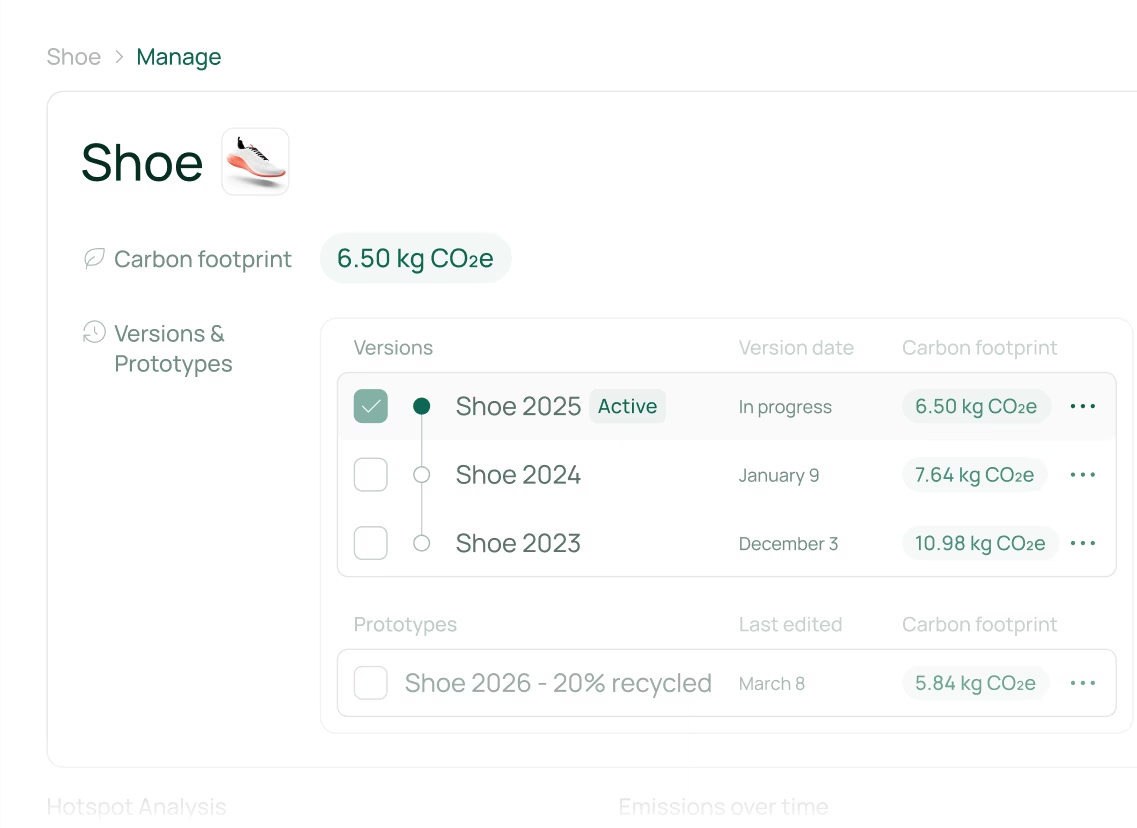
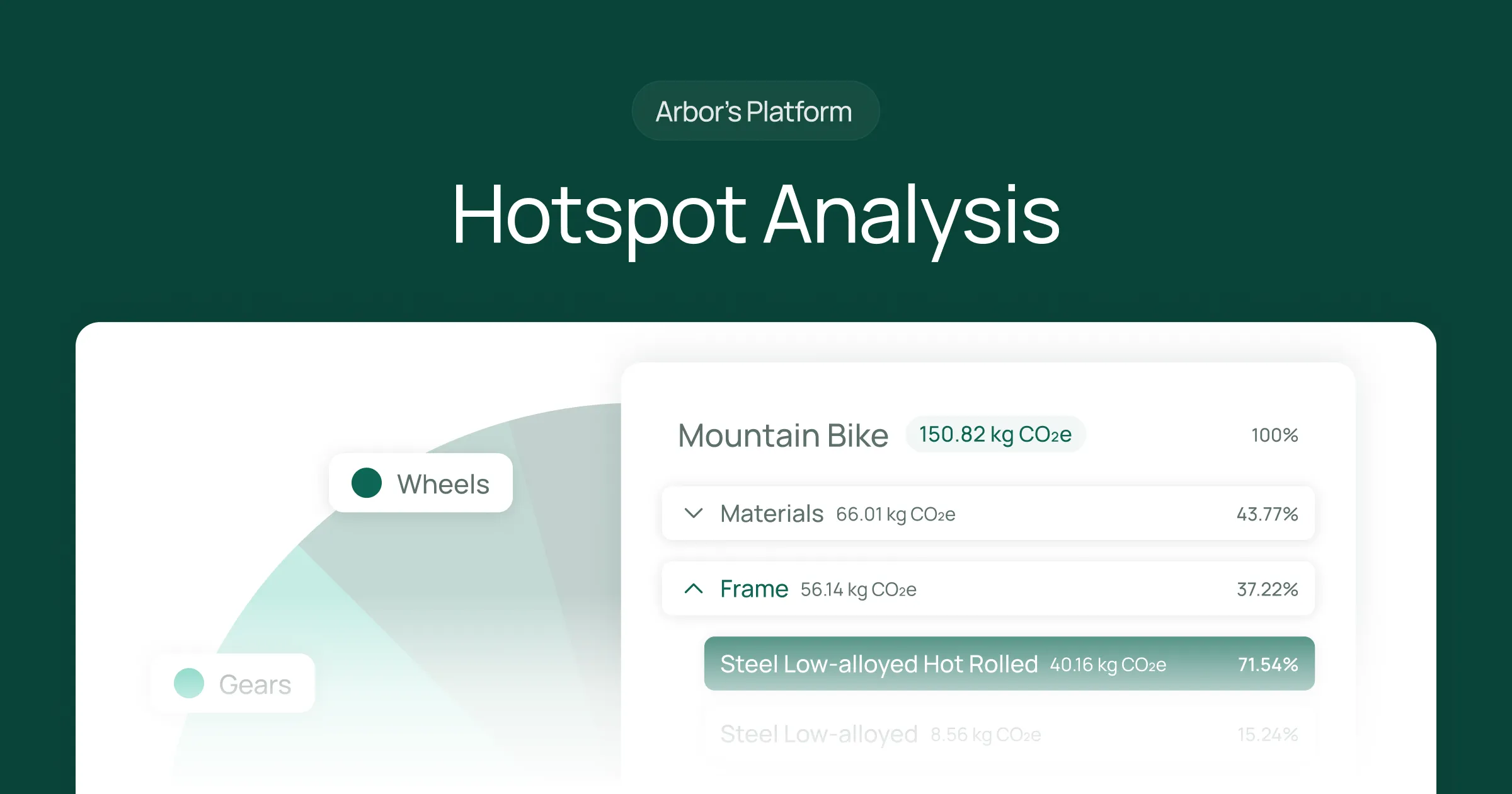
- Data-Driven Insights: Our Hotspot Analysis pinpoints which materials and suppliers contribute most to your emissions, helping you focus on the "relevant sources" required by SBTi V2.0.
- Audit-Grade Accuracy: Arbor calculates with an audit-grade methodology and is a GRI-certified platform. This level of data integrity is essential for the third-party assurance now required for Category A companies.
Whether you are preparing for your initial validation or renewal, a good data foundation is the first step.
Summary
The Science-Based Targets initiative remains the gold standard for corporate climate action. With the introduction of SBTi Version 2.0, the framework has evolved into a continuous improvement and rigorous accountability system.
Companies can no longer view target setting as a one-time public relations exercise. It is now an operational imperative. By understanding these updates and utilizing powerful platforms like Arbor, businesses can turn compliance into a competitive advantage.
Messen Sie Ihre CO2-Emissionen mit Arbor
Einfache, unkomplizierte CO2-Bilanzierung.
FAQ about SBTi Version 2.0
What is the biggest change in SBTi Version 2.0?
The most significant change is the move to a Cyclical Validation Model. Instead of validating a target once, companies must now undergo an "Entry Check," followed by "Initial Validation," and then a "Renewal Validation" every five years to ensure continuous improvement.
When do companies need to adopt the new SBTi standard?
Companies can continue setting targets under the current Version 1.3 until December 31, 2027. However, starting January 1, 2028, all companies must use Version 2.0 for any new target submissions.
How does SBTi Version 2.0 affect Scope 3 targets?
Version 2.0 removes the requirement for a fixed percentage of Scope 3 emissions coverage. Instead, it focuses on "relevant scope 3 emissions sources," defined as any category that represents 5% or more of total Scope 3 emissions or specific high-impact activities.
What are the new SBTi requirements for Scope 2 emissions?
The new draft requires companies to source 100% of their electricity from low-carbon sources by 2040. Additionally, large energy consumers must begin phasing in hourly matching of electricity generation and consumption starting in 2030.




.webp)
%20Directive.webp)


.webp)


%20Arbor.avif)


%20Arbor.avif)

.avif)


%20Arbor%20Canada.avif)
.avif)
%20Arbor.avif)
.avif)



_.avif)
.avif)
%20Arbor.avif)


%20Software%20and%20Tools.avif)


.avif)
.avif)


%20EU%20Regulation.avif)


.avif)


.avif)



%20Arbor.avif)


.avif)


