

.webp)
- New York Part 253 is a mandatory reporting program for GHG emissions starting in 2026
- Facilities emitting 10,000+ MT CO₂e and all fuel suppliers must report annually
- Large Emission Sources meeting higher thresholds must undergo third-party verification
- Reporting uses a 20-year GWP metric to emphasize short-term climate impacts
- Arbor helps companies automate these calculations and manage Scope 1, 2, and 3 data efficiently
What is New York State’s Mandatory Greenhouse Gas Reporting Program?
New York State has finalized a Mandatory Greenhouse Gas Reporting Program established by the Department of Environmental Conservation (DEC) to collect precise emissions data from specific sources across the state.
This program requires designated "Reporting Entities" to annually report their emissions and operational data directly to the DEC.
The primary goal of Part 253 is to quantify New York’s greenhouse gas (GHG) footprint to inform policies aimed at reducing pollution and to assess compliance with the state's aggressive Climate Act objectives.
It effectively implements a key recommendation from the Climate Action Council’s Scoping Plan to ensure the state meets its legal decarbonization mandates.
Who needs to comply?
The program targets several categories of companies based on their activity and emissions volume.
Important thresholds and categories
The program distinguishes between general reporting entities and those labeled as "Large Emission Sources". The requirements for data verification change based on these categories.
How does NY’s GGRP work?
The program operates through a cycle of monitoring, reporting, and verification.
Reporting Entities are required to submit their data annually via the New York State Electronic Greenhouse Gas Emissions Reporting Tool (NYS e-GGRT), an online platform currently under development.
Emissions are typically determined using standardized formulas or emission factors applied to activity data, such as the quantity of fuel burned or specific operational metrics.
At a high level, the program divides participants into two main groups based on their size and impact:
- Reporting Entities: These companies must file an annual emissions data report.
- Large Emission Sources: These entities meet higher thresholds and must also contract with a DEC-accredited third-party body to verify their data.
What are the requirements of New York’s Greenhouse Gas Reporting Program?
Compliance involves more than submitting a number at year-end; it requires a documented internal process.
Detailed reporting content
Depending on the entity type, reports must include specific data points:
- Facilities: Must report emissions from stationary combustion, process emissions, venting, and fugitive leaks. They must also include "upstream out-of-state emissions" related to fossil fuel use.
- Fuel Suppliers: Must report the projected emissions from the downstream use of the fuels they sell, along with upstream emissions from fuel extraction and processing.
- Electric Power Entities (EPEs): Must report CO₂e from electricity delivered, including import/export data and sources of generation.
Documentation and monitoring
- GHG Monitoring Plan: Every reporter must develop and keep a written plan. Large Emission Sources must submit this plan to the DEC by December 31, 2026.
- Record Retention: Reporters must keep all records for at least 5 years, while Large Emission Sources must maintain them for 10 years.
- Verification Statements: Large sources must submit annual statements from independent auditors confirming the data's accuracy.
When does it become mandatory?
The monitoring obligation for the first reporting year begins very soon. Here is the critical timeline you need to follow:
Why should you care?
Understanding your obligations is vital for both financial and operational stability.
Compliance risk
Failure to submit accurate reports or verification statements can lead to formal enforcement or penalties. Each metric ton not reported and each day a report is late, incomplete, or inaccurate is defined as a separate violation. For repeated noncompliance, the DEC may assign emissions levels to a Reporting Entity.
Financial costs
While basic reporting is manageable, Large Emission Sources face significant costs for mandatory third-party verification.
Market position
Accurate data allows you to substantiate climate claims and avoid the risk of greenwashing penalties, which are becoming more common in international markets. Proactively managing your carbon data helps mitigate these risks and supports your company's broader climate strategy.
How can Arbor help you?
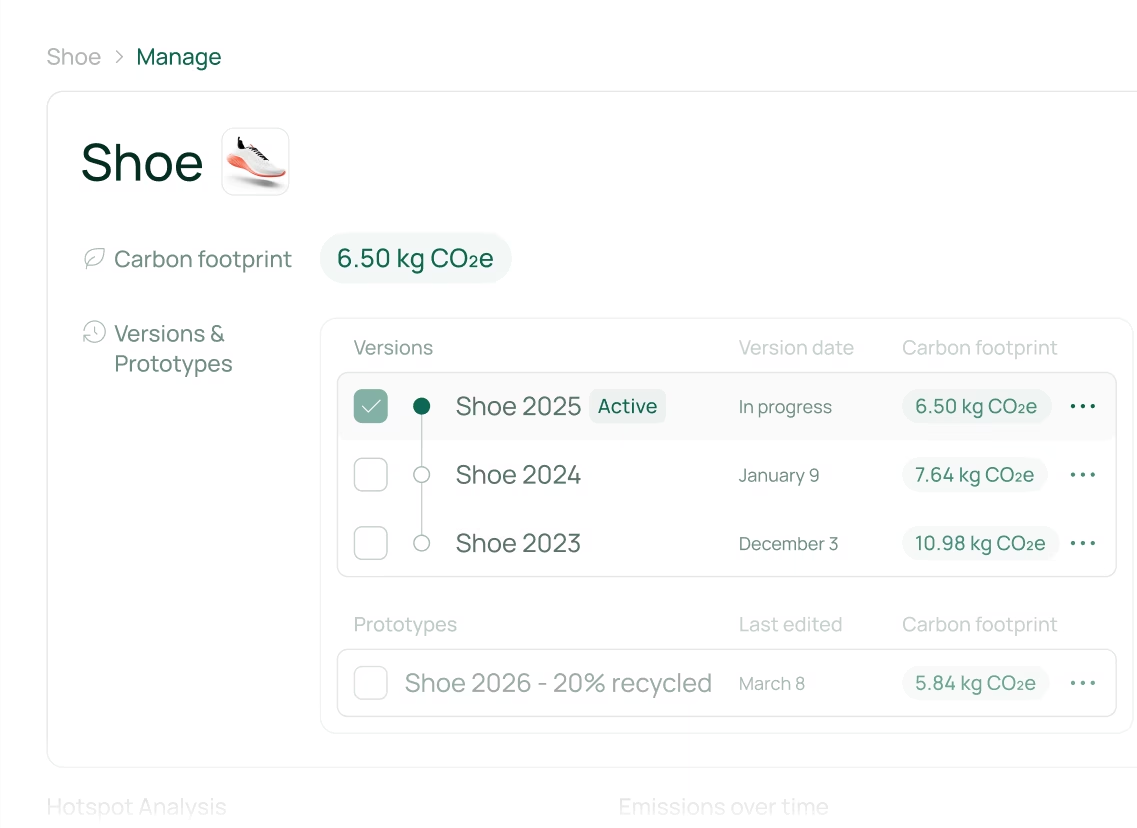
Arbor is a carbon accounting platform that helps companies calculate and reduce emissions to reach net zero. Our platform allows you to quickly calculate Product Carbon Footprints (PCF) and Scope 1, 2, and 3 measurements, transforming complex supply chain data into clear, actionable insights.
Speed and accuracy
Arbor's platform significantly reduces emission calculation times, allowing you to get product carbon footprints in weeks instead of months. We use a bottom-up methodology to provide granular, region-specific, and component-level data.
Compliance and reporting
Arbor is a GRI-certified platform and enables compliance with ISO standards (14040, 14044, 14064, 14067) and the GHG Protocol for Scope 1, 2, and 3. We help you navigate regulations like Part 253 and SB 253/SB 261 by providing audit-grade reports and expert-led support.
Actionable insights
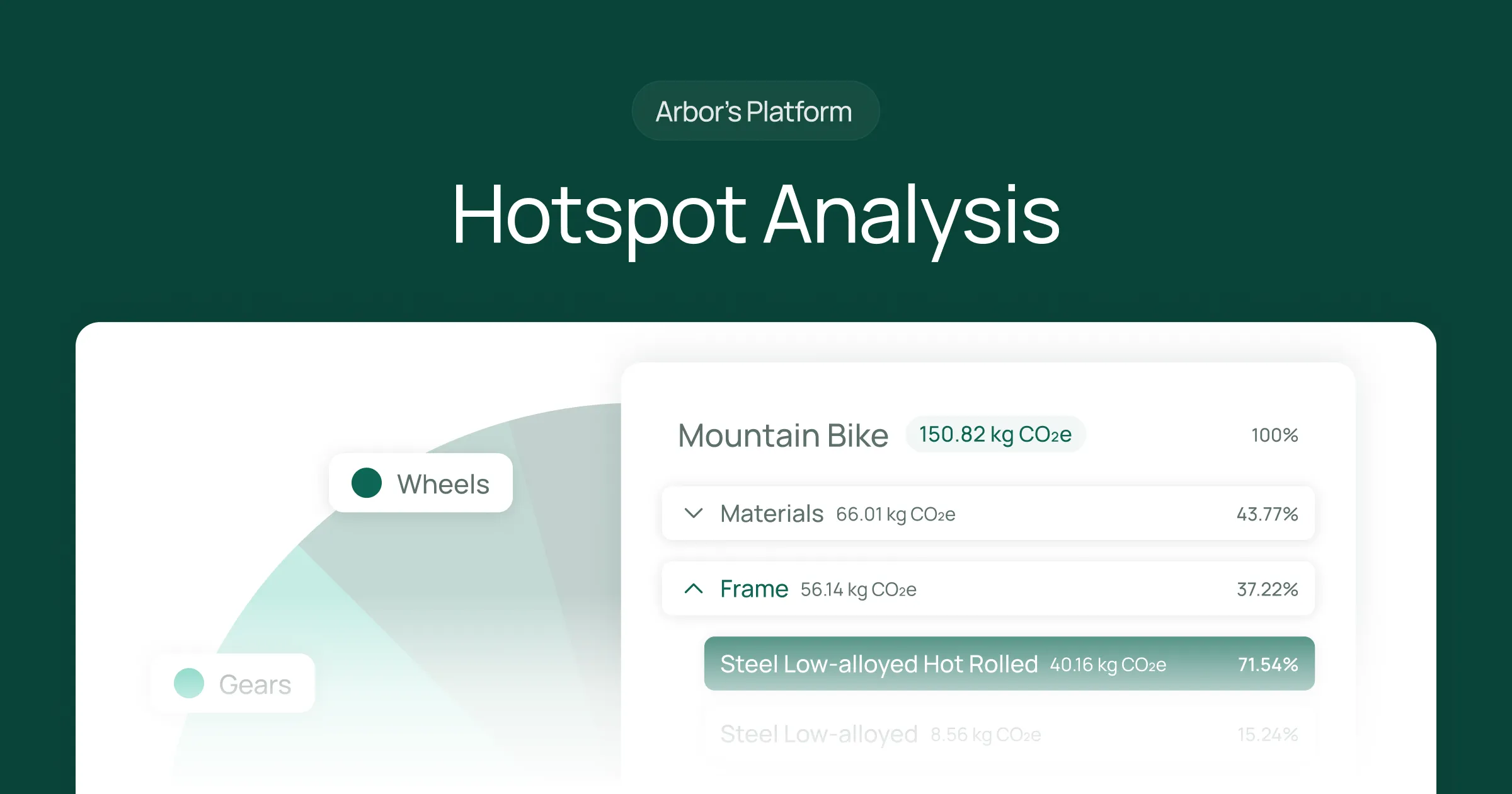
With features like Hotspot Analysis, you can pinpoint exactly which materials or activities contribute most to your emissions. Our Scenario Analysis tool then allows you to test designs and changes to strategically reduce your impact before investment into an initiative.
Summary
The New York State Mandatory Greenhouse Gas Reporting Program (Part 253) is a major data collection initiative requiring facilities, fuel suppliers, and waste transporters to report annual emissions in CO₂e.
Monitoring begins January 1, 2026, with the first reports due in June 2027.
By utilizing a 20-year GWP metric and requiring third-party verification for large sources, the program ensures high-quality data to guide the state's path toward net zero.
For companies facing limited bandwidth, utilizing a platform like Arbor can streamline these complex requirements, ensure regulatory readiness, and turn compliance into a strategic edge.
Companies should also stay alert to the proposed Climate Corporate Data Accountability Act (S3456), which would expand reporting to include Scope 3 emissions for large entities.
Measure your carbon emissions with Arbor
Simple, easy carbon accounting.
FAQ about New York’s Part 253 Regulation
Does Part 253 require me to reduce my emissions?
No, Part 253 is strictly for data collection and does not currently mandate emissions reductions or the purchase of allowances. However, it is a key component of New York's strategy to assess compliance with future GHG reduction efforts under the Climate Act.
What is the 20-year GWP metric, and why does it matter?
Global Warming Potential (GWP) is used to calculate CO₂e equivalents for different greenhouse gases. New York uses a 20-year time horizon GWP₂₀ as required by the Climate Act, which places a higher priority on the short-term impact of gases like methane compared to the traditional 100-year metric.
What is a "Large Emission Source" under this rule?
A Large Emission Source is a Reporting Entity that meets higher thresholds, such as 25,000 MT of CO₂e for facilities. These entities must submit a mandatory GHG Monitoring Plan and undergo annual third-party verification by a DEC-accredited body.

%20Directive.webp)

.webp)

%20Arbor.avif)

%20Arbor.avif)
.avif)
%20Arbor%20Canada.avif)
.avif)
%20Arbor.avif)
.avif)
_.avif)
.avif)
%20Arbor.avif)


%20Software%20and%20Tools.avif)


.avif)
.avif)


%20EU%20Regulation.avif)




.avif)


%20Arbor.avif)




_%20_%20Carbon%20101.avif)


.avif)


